
Global DEI – Wrap Up
- Published: 17/12/2024
- Category: Blog
- Read time: 3 mins read
We hosted our third Global DEI Conference in November. And it was MEGA!
I am keen to share a few highlights with you as a snapshot for anyone who missed it. What is Global DEI all about?
The Global DEI Conference 2024 is dedicated to shaping the future of diversity, equity, and inclusion in workplaces worldwide. The focus was on themes such as integration, tailored support, and intersectionality in the corporate sphere.
We kicked off the first morning with an in person panel event sponsored by Shoosmiths. The session featured Geeta Sidhu-Robb, who shared insights into her advocacy for women’s rights in the workplace and her efforts to build WCorp, a brand dedicated to empowering women in business. Following her talk, Sonia McNamara and Cynthia Fortlage engaged in a heartfelt discussion, drawing on their personal experiences to highlight the critical need for transparency, understanding, and effective communication within inclusive workplaces.
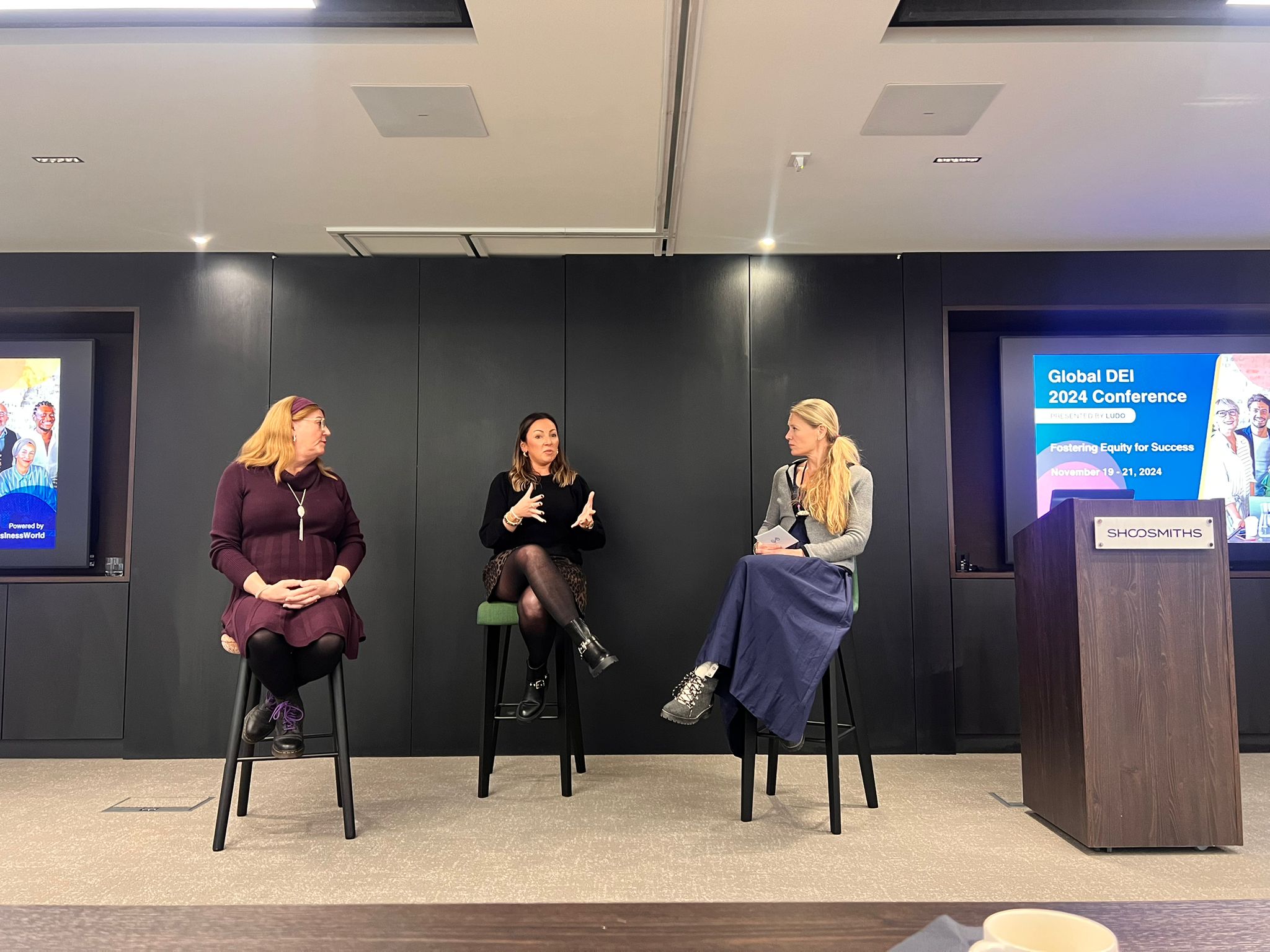
The panels set an inspiring tone for the day, emphasising strategies to create equitable environments that celebrate diverse perspectives.
A snippet of highlights from speakers across 3 days of online speakers for Global DEI:
Ashley Andersen outlined the early signs of burnout within DEI roles and recommended remedies to counteract burnout effectively.
Rocki Howard discussed the importance of committing to DEI initiatives, skill-based hiring, and ongoing training. She emphasised inclusion throughout the employee lifecycle as a critical component of organisational success.
Korena Keys highlighted the value of open communication and inclusive leadership by leveraging structured support and values-driven approaches.
Harshvardhan Sanghi explained the importance of cultural knowledge in addressing climate and sustainability challenges through practices such as incorporating natural materials.
Alex Barker shared strategies for impactful public speaking, emphasizing energy over content and focusing on identifying transformative insights.
Geffrye Parsons defined psychological safety as a state of vulnerability and referenced Timothy Clark’s four stages of safety and leadership.
Paul Hackett introduced the concept of a Chief Wellbeing Officer, stressing the importance of customised and inclusive decision-making. He outlined a three-step process for creating an Impact Optimisation Roadmap, enabling organizations to measure ROI and inclusion outcomes effectively.
Sheryl Caroll addressed the challenges women face throughout life, including hormonal health, and emphasised the need to recognise and combat cultural stigma surrounding these issues.
Lucienne Miller discussed common misconceptions about OCD and the significance of fostering a resilient and supportive environment.
Nicole Ratcliffe emphasised that inclusion starts with rest. By linking sleep health to gender equity and workplace productivity, she revealed how sleep deprivation undermines work ethic and equity efforts. Her insights highlighted the importance of addressing fundamental wellbeing issues to create a thriving, inclusive workplace.
Kisha Payton shared how storytelling empowers employees to share their experiences, fostering deeper engagement in DEI initiatives. She underscored the importance of allyship, framing it as a process of rejecting harmful practices, reacting constructively, and reforming systems to make the workplace more inclusive.
Abigail Wilmore explored the pivotal role of leadership and HR in advancing DEI. She addressed the challenge of fatigue within HR teams and encouraged HR professionals to model inclusion and safety while acknowledging their own gaps in knowledge. Her session concluded with strategies to influence leadership effectively, empowering them to champion DEI initiatives.
Watch this space as we are sharing a highlights book from the May 2024 conference. At Ludo we know inclusion is the foundation of all we do in the working world. Inclusive businesses have a higher employee happiness index, increased creative thinking and better profits. This matters.