
The January Blues
- Published: 18/01/2023
- Category: Blog
- Read time: 4 mins read
The start of a new year can bring mixed emotions, anxiety about returning to school/work, excitement for new beginnings, loneliness. The common mood in January is usually very flat, unmotivated and low for sometime reason we can’t explain. January usually brings the detox, weight loss, join the gym, dry January brigade. BUT if you’re not in the mood for that band wagon that is fine, small steps make big changes.
There’s little research in what contributes to ‘holiday blues’, its believed among experts the adrenaline comedown is the main culprit. The abrupt halt of stress hormones after the holidays, can impact our biological and psychological well-being. (So there is an excuse)
The increase of sugar and alcohol definitely contributes, research links alcohol to being a depressant as well as junk food, so its unsurprising that nearly a month of indulgence we might not be feeling out best.
Emotional exhaustion can be an element, over Christmas some can be navigating through difficult situations and relationships, which can involve the constant ‘false happiness’, and ‘on’ switch – this can be incredibly draining.
FOODS FOR YOUR MOOD
NUTRIENTS: L-theanine, magnesium, vitamin c, potassium, B vitamins, omega 3, choline, L-tryptophan, Vitamin E
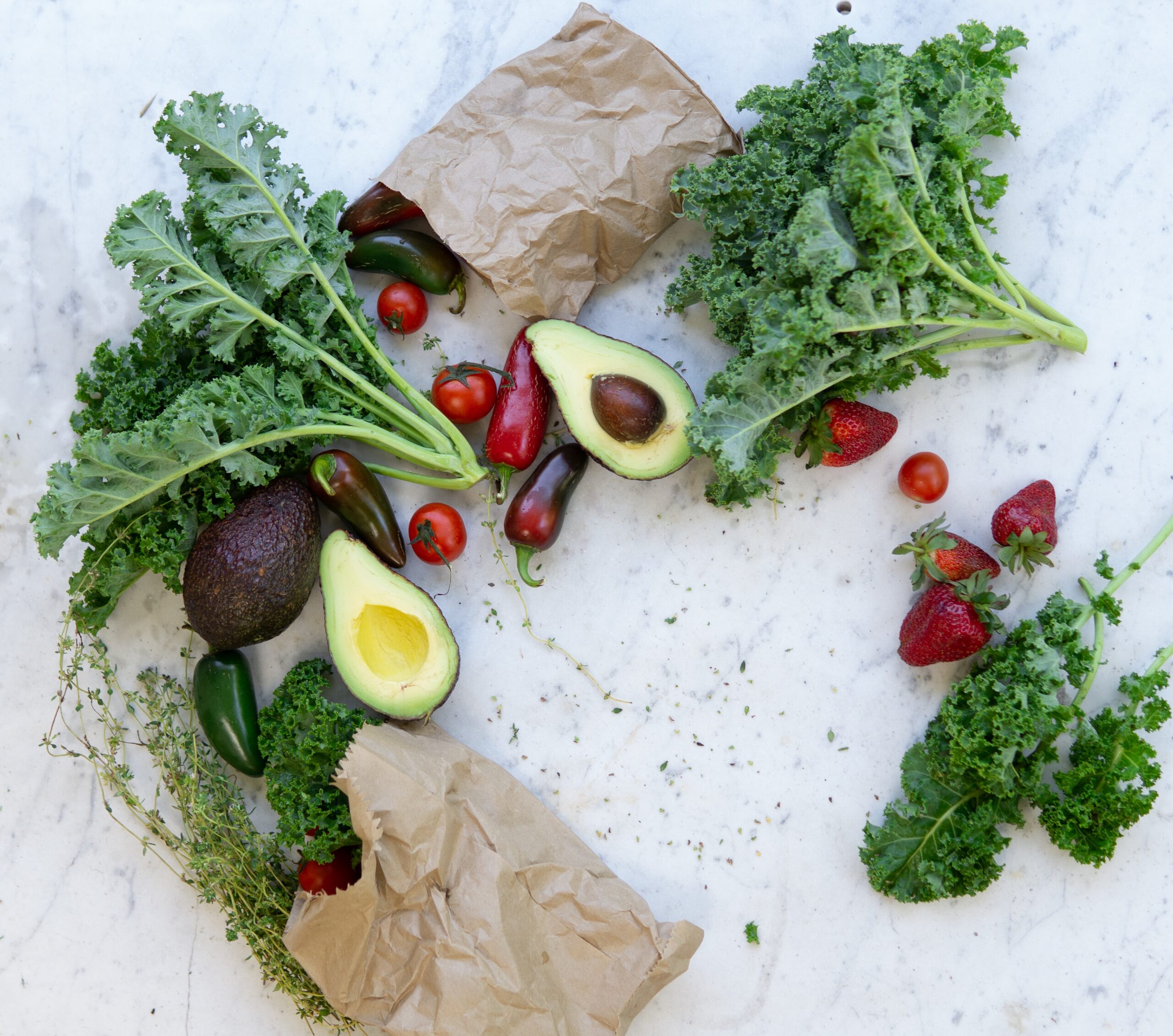
FOODS TO INCLUDE: turkey, matcha tea powder, all dark leafy greens, sweet potato, fermented foods, avocado, bananas, eggs, oily fish, parsley, garlic, tahini, broccoli, chickpeas, blueberries, chamomile tea, oats, nuts, seeds, organ meats, lentils
REDUCE: junk processed food, alcohol, caffeine, sugar, white starchy carbs, prepared food
BUILD YOUR PLATE – ¼ protein, ¼ complex carbohydrates, ½ vegetables (aim 3 portions) + a fat source
LIFESTYLE HACKS
- Cold water therapy – also known as hormetic stress – the good kind of stress that challenges our body and resilience. Cold water encourages the body to release dopamine, the feel good hormone which is why it is a great aid for depression or anxiety.
- Movement – This could be walking but consistency is always key. Exercise lowers your blood sugar levels and encourages them to remain balanced for the rest of the day. When exercising your body releases proteins and chemicals that improve the structure of your brain to keep your thinking, learning and judgement skills sharp.
- Nature – Research reveals that environments can increase or reduce our stress, which in turn impacts our bodies. What you are seeing, hearing, experiencing at any moment is changing not only your mood, but how your nervous, endocrine, and immune systems are working. Exposure to nature may help to reduce feelings of anger, fear, stress, anxiety and general negativity. Not only is it a natural mood stimulant it contributes to a reduction in blood pressure, heart rate, muscle tension and the production of stress hormones.
SUPPLEMENTS TO SUPPORT YOUR MOOD
- B Complex – helps regulate the body’s serotonin and norepinephrine levels. Both directly affect mental stability, mood, and the ability to cope with stress
- Omega 3 – naturally-occurring fats found in fatty fish, plant-based cooking oils, as well as some seeds and nuts. Omega-3 fatty acids may also play a key role in providing protection against some mood disorders.
- 5-HTP – helps raise serotonin levels in the brain, which helps to regulate mood and behaviour, which in turn can help sleep, mood, anxiety, appetite, and pain sensation.
SMALL STEPS MAKE BIG CHANGES.
Below is a basic list of things you can start implementing that feel manageable and realistic to create a positive habit…Choose 2-3.
- Eat 6 portions of fruit and vegetable
- Drink 2 litres of water/herbal tea a day
- Upon waking have ½ lemon juiced in some warm water
- Stick to 1x coffee a day
- Have 4 nights off a week of alcohol
- Go for a daily walk for 20 minutes
- Eat a savoury breakfast every morning
- Try at least one new healthy recipe per week
- Eat your vegetables first
- Remove sugary/fizzy drinks replace with sparkling water or kombucha
- Implement a bedtime routine – this could simply going to bed at the same time or reading 5 pages of your book.
- Don’t snack, focus on 3 meals a day
- Build your plate – ¼ protein, ¼ complex carbohydrates, ½ vegetables (aim 3 portions)
- Do 1x weekly food shop to help organize yourself for the week
- Remove sugar
Guest blog by April Morgan at Baldo and Mason.
@baldoandmason